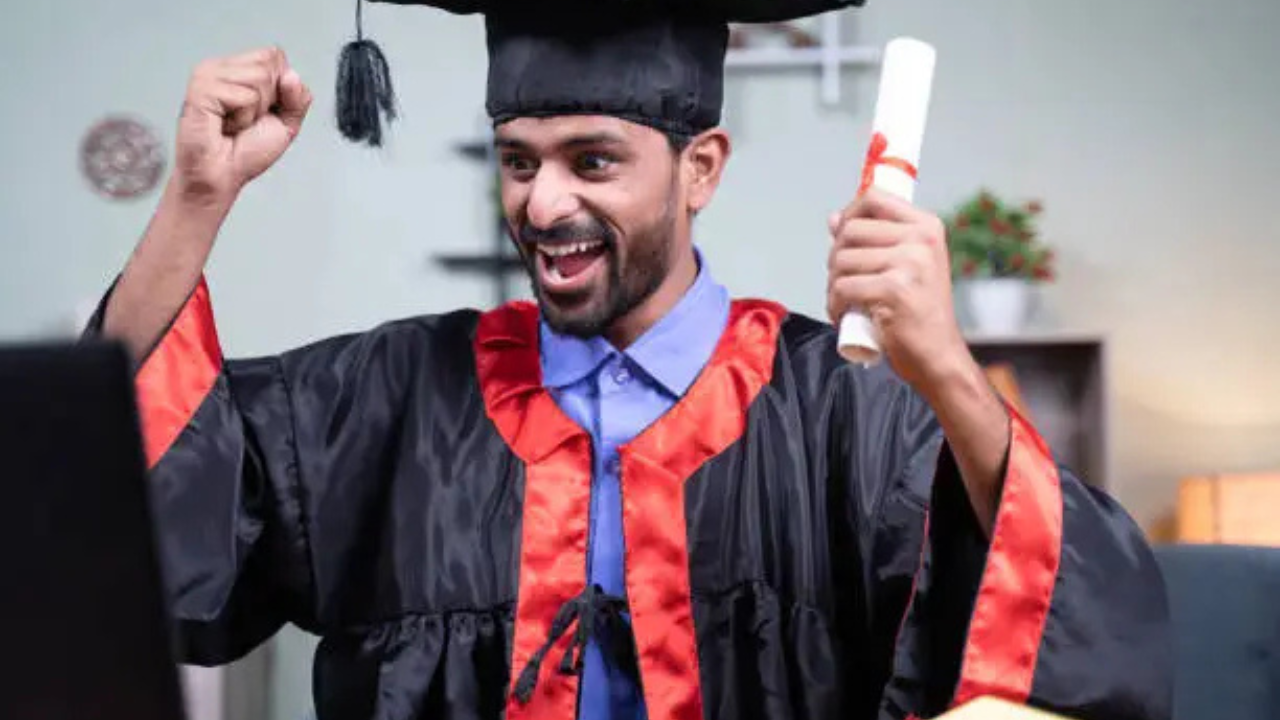
Top Skills Every College Student Should Learn Before Graduation
Graduating from college is an exciting milestone, but earning a degree is only one part of preparing for a successful career. Today's employers look beyond academic qualifications and seek candidates who possess practical, technical, and interpersonal skills that can help them contribute from day one.
Developing these skills during your college years can improve your confidence, increase your employability, and help you stand out in campus placements and job interviews.
In this guide, we'll explore the top skills every college student should learn before graduation and how they can shape your future career.
Why Are Skills Important Before Graduation?
The modern workplace is constantly evolving, and employers value candidates who can adapt, solve problems, and collaborate effectively.
Learning new skills before graduation helps students:
- Improve employability.
- Perform better in interviews.
- Gain confidence in professional settings.
- Prepare for internships and placements.
- Build successful long-term careers.
By investing in skill development early, you'll be better equipped to transition from college to the workplace.
1. Communication Skills
Communication is one of the most valuable skills in any profession.
Strong communication enables you to:
- Present ideas clearly.
- Participate in meetings.
- Write professional emails.
- Build relationships.
- Work effectively in teams.
How to Improve
- Practice public speaking.
- Participate in group discussions.
- Read books and articles regularly.
- Improve your writing skills.
- Listen actively during conversations.
2. Digital Literacy
Technology is now a part of almost every profession.
Every college student should be comfortable using:
- Microsoft Office or Google Workspace
- Email platforms
- Video conferencing tools
- Cloud storage
- Online collaboration software
Understanding digital tools makes you more productive and workplace-ready.
3. Problem-Solving Skills
Employers value individuals who can analyze situations and find effective solutions.
Problem-solving involves:
- Critical thinking
- Decision-making
- Creativity
- Logical reasoning
How to Improve
- Solve real-world case studies.
- Participate in competitions.
- Work on practical projects.
- Learn from challenging situations.
4. Time Management
Balancing academics, projects, internships, and extracurricular activities requires good time management.
Students who manage their time effectively can:
- Meet deadlines.
- Reduce stress.
- Stay organized.
- Increase productivity.
How to Improve
- Use planners or calendar apps.
- Prioritize important tasks.
- Avoid procrastination.
- Break large tasks into smaller goals.
5. Teamwork and Collaboration
Most careers involve working with people from different backgrounds.
Good teamwork includes:
- Respecting different opinions.
- Sharing responsibilities.
- Supporting team members.
- Communicating effectively.
- Resolving conflicts professionally.
Participating in group assignments and college clubs can strengthen this skill.
6. Technical Skills
Technical skills vary depending on your field of study.
For students in computer-related programs, useful skills include:
- Programming
- HTML, CSS & JavaScript
- Python
- Java
- SQL
- Data Analysis
- Cloud Computing
- Cybersecurity
- Artificial Intelligence basics
Students from other disciplines should identify the technical tools commonly used in their chosen industries.
7. Adaptability
Industries continue to evolve with new technologies and changing business needs.
Adaptable professionals can:
- Learn new tools quickly.
- Handle change confidently.
- Work in different environments.
- Embrace continuous learning.
Being open to learning is one of the most valuable qualities employers seek.
8. Leadership Skills
Leadership isn't just about managing teams—it begins with taking initiative and responsibility.
Leadership skills include:
- Decision-making.
- Accountability.
- Motivation.
- Organization.
- Conflict resolution.
Students can develop leadership by organizing events, leading projects, or volunteering for student organizations.
9. Networking Skills
Building professional relationships can open doors to internships, mentorships, and job opportunities.
You can build your network by:
- Attending seminars and workshops.
- Connecting with alumni.
- Participating in career fairs.
- Creating a professional LinkedIn profile.
- Engaging with industry professionals.
Networking can be just as important as academic performance when searching for career opportunities.
10. Interview Skills
Landing a job requires more than technical knowledge.
Practice:
- Answering common interview questions.
- Maintaining eye contact.
- Speaking confidently.
- Demonstrating professionalism.
- Explaining projects effectively.
Mock interviews can significantly improve your performance.
11. Resume Writing
A well-written resume increases your chances of getting shortlisted.
Your resume should include:
- Education
- Skills
- Projects
- Internships
- Certifications
- Achievements
Keep it clear, concise, and tailored to the role you're applying for.
12. Financial Literacy
Basic financial knowledge helps students manage their personal finances and plan for the future.
Learn about:
- Budgeting
- Saving
- Banking
- Taxes
- Investments
- Credit scores
These life skills are valuable regardless of your career path.
How Can College Students Learn These Skills?
There are many opportunities to develop these skills before graduation.
You can:
- Take online certification courses.
- Participate in internships.
- Join college clubs and societies.
- Attend workshops and seminars.
- Volunteer for events.
- Build personal or academic projects.
- Practice public speaking.
- Seek mentorship from faculty and professionals.
Consistent practice is the key to long-term improvement.
Common Mistakes Students Should Avoid
Avoid these habits that can limit your career growth:
- Relying only on academic grades.
- Ignoring practical experience.
- Avoiding teamwork.
- Not building a professional network.
- Neglecting communication skills.
- Delaying skill development until graduation.
Starting early gives you a significant advantage in today's competitive job market.
Build Skills Today for Tomorrow's Opportunities
Your college years are the perfect time to prepare for life beyond the classroom. While academic knowledge lays the foundation, developing practical and professional skills can make you more confident, adaptable, and ready for the challenges of the workplace.
Focus on continuous learning, embrace new opportunities, and actively work on improving your communication, technical expertise, teamwork, and leadership abilities. These skills will not only help you succeed in campus placements but also support your long-term career growth.
Remember, the most successful professionals are lifelong learners who continue to grow long after graduation.
Frequently Asked Questions (FAQs)
1. Why should college students learn additional skills before graduation?
Learning practical and professional skills improves employability, prepares students for interviews, and helps them succeed in internships and future careers.
2. Which skill is most important for college students?
Communication is one of the most important skills because it supports teamwork, interviews, presentations, and workplace collaboration.
3. How can I improve my technical skills while studying?
You can take online courses, work on personal projects, participate in internships, and practice using industry-relevant tools and technologies.
4. Do employers value soft skills as much as technical skills?
Yes. Employers look for a balance of technical expertise and soft skills such as communication, teamwork, adaptability, and problem-solving.
5. When should students start developing career skills?
Students should begin developing career-related skills as early as possible during college to maximize internship opportunities and prepare for campus placements.
Call to Action
Prepare for a Successful Career with UBM College
At UBM College, we believe education goes beyond the classroom. Our undergraduate and postgraduate programs combine academic excellence with practical learning, skill development, and career guidance to help students become industry-ready professionals.
Whether you're preparing for internships, campus placements, or higher studies, UBM College provides the support and opportunities you need to achieve your goals.
Contact UBM College today to explore our programs and start building the skills that will shape your future.