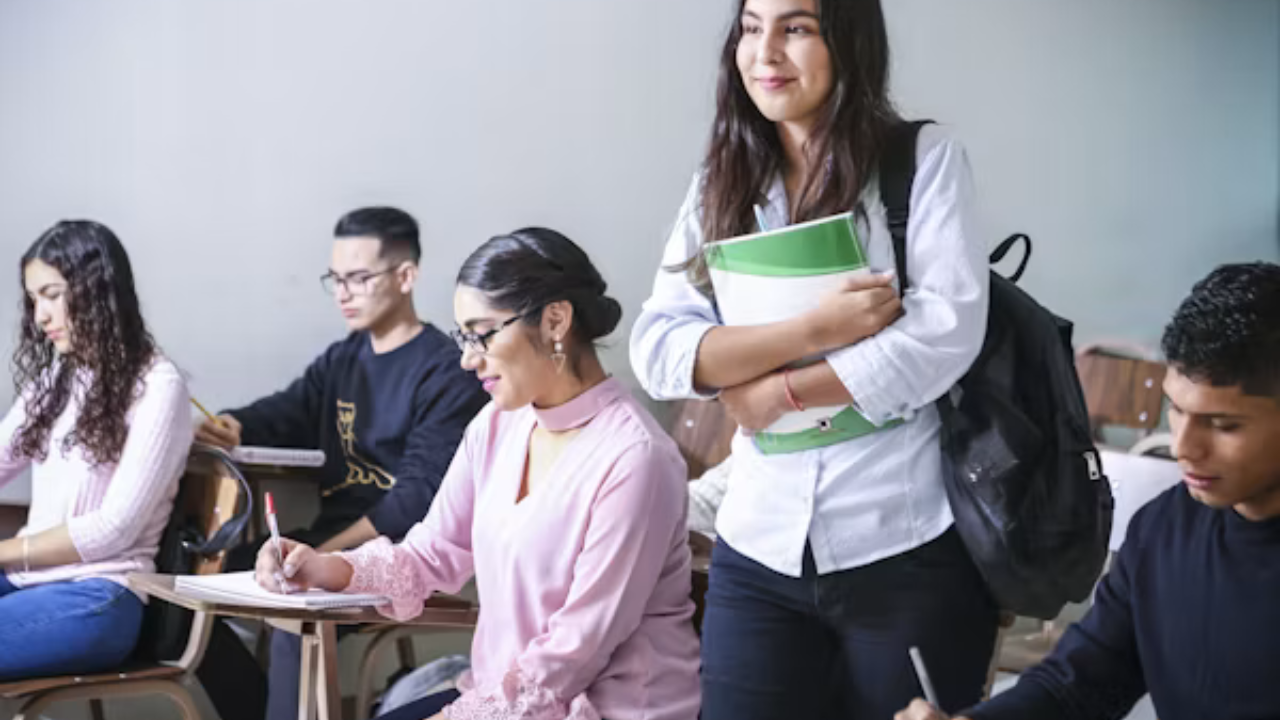
Soft Skills Every Student Needs for Career Success
Academic knowledge and technical expertise are essential for building a successful career, but they are only part of the equation. Employers today also look for soft skills—the personal qualities and interpersonal abilities that help individuals communicate, collaborate, and adapt in the workplace.
Whether you're preparing for internships, campus placements, or your first job, developing strong soft skills can help you stand out from other candidates and thrive in your professional journey.
In this guide, we'll explore the most important soft skills every student should develop and practical ways to improve them.
What Are Soft Skills?
Soft skills are personal attributes and behavioral traits that influence how you interact with others and handle different situations. Unlike technical or job-specific skills, soft skills are transferable across industries and professions.
Examples include communication, teamwork, leadership, problem-solving, adaptability, and time management.
These skills help students perform effectively in both academic and professional environments.
Why Are Soft Skills Important?
Employers value candidates who can work well with others, communicate effectively, and adapt to changing situations.
Strong soft skills help students:
- Perform better during interviews.
- Build positive relationships with colleagues.
- Work effectively in teams.
- Solve workplace challenges.
- Develop leadership potential.
- Increase employability.
- Advance in their careers.
Even candidates with excellent technical skills may struggle professionally if they lack strong interpersonal abilities.
1. Communication Skills
Communication is one of the most important soft skills in any profession.
Good communication includes:
- Speaking clearly and confidently.
- Writing professional emails and messages.
- Listening actively.
- Expressing ideas effectively.
- Giving and receiving constructive feedback.
How to Improve
- Participate in presentations.
- Join debates or group discussions.
- Practice public speaking.
- Read regularly to improve vocabulary.
- Engage in meaningful conversations.
2. Teamwork
Most jobs require employees to collaborate with colleagues from different backgrounds.
Students who work well in teams can:
- Share responsibilities.
- Respect different opinions.
- Resolve conflicts.
- Support team members.
- Achieve common goals.
How to Improve
- Participate in group projects.
- Join college clubs.
- Volunteer for events.
- Learn to appreciate diverse perspectives.
3. Problem-Solving Skills
Employers appreciate individuals who can identify challenges and develop effective solutions.
Problem-solving involves:
- Critical thinking.
- Analyzing situations.
- Making informed decisions.
- Evaluating possible solutions.
How to Improve
- Solve case studies.
- Work on practical projects.
- Participate in hackathons or competitions.
- Analyze real-life situations.
4. Time Management
Managing time effectively helps students balance academics, internships, extracurricular activities, and personal responsibilities.
Good time management includes:
- Prioritizing tasks.
- Setting realistic goals.
- Meeting deadlines.
- Avoiding procrastination.
How to Improve
- Use planners or digital calendars.
- Break large tasks into smaller goals.
- Create daily study schedules.
- Limit distractions during work sessions.
5. Adaptability
The workplace constantly evolves due to new technologies, changing industries, and shifting business needs.
Adaptable students can:
- Learn new skills quickly.
- Handle change positively.
- Stay productive during uncertainty.
- Embrace continuous learning.
How to Improve
- Explore new subjects.
- Learn emerging technologies.
- Take on different responsibilities.
- Stay open to feedback.
6. Leadership Skills
Leadership isn't limited to managers. Students who take initiative and motivate others often become valuable employees.
Leadership includes:
- Decision-making.
- Responsibility.
- Motivation.
- Accountability.
- Inspiring others.
How to Improve
- Lead college projects.
- Organize student events.
- Mentor juniors.
- Volunteer for leadership roles.
7. Emotional Intelligence
Emotional intelligence is the ability to understand and manage your emotions while recognizing the emotions of others.
It helps students:
- Build stronger relationships.
- Handle workplace stress.
- Resolve conflicts effectively.
- Improve teamwork.
How to Improve
- Practice self-awareness.
- Listen actively.
- Show empathy.
- Stay calm under pressure.
8. Critical Thinking
Critical thinking helps students evaluate information objectively before making decisions.
This skill is valuable in:
- Research
- Decision-making
- Business
- Technology
- Healthcare
- Education
How to Improve
- Ask thoughtful questions.
- Analyze multiple perspectives.
- Read extensively.
- Practice logical reasoning.
9. Professionalism
Professionalism reflects how you present yourself in academic and workplace settings.
It includes:
- Punctuality.
- Respect.
- Responsibility.
- Ethical behavior.
- Appropriate communication.
How to Improve
- Arrive on time.
- Honor commitments.
- Dress appropriately.
- Maintain a positive attitude.
10. Networking Skills
Building professional relationships can create opportunities for internships, mentorships, and future employment.
Networking helps students:
- Learn from experienced professionals.
- Discover career opportunities.
- Build industry connections.
- Stay informed about trends.
How to Improve
- Attend seminars and workshops.
- Connect with alumni.
- Participate in career fairs.
- Build a professional LinkedIn profile.
Practical Ways to Develop Soft Skills During College
College offers numerous opportunities to strengthen soft skills.
You can:
- Join student clubs and societies.
- Participate in internships.
- Volunteer for community service.
- Take part in presentations.
- Attend workshops and seminars.
- Participate in competitions.
- Work on collaborative projects.
These experiences help prepare you for professional life.
Common Mistakes Students Should Avoid
Avoid these habits that may hinder your professional growth:
- Poor communication.
- Lack of confidence.
- Avoiding teamwork.
- Ignoring feedback.
- Missing deadlines.
- Poor time management.
- Reluctance to learn new skills.
Recognizing these areas for improvement is the first step toward personal growth.
Invest in Skills That Last a Lifetime
Technical knowledge can help you secure an interview, but soft skills often determine long-term career success. Employers value professionals who can communicate effectively, collaborate with teams, solve problems, and adapt to changing environments.
Start developing these skills during your college years through projects, internships, extracurricular activities, and everyday interactions. The earlier you begin, the better prepared you'll be for internships, placements, and future career opportunities.
Remember, soft skills are not learned overnight—they grow through consistent practice, experience, and a willingness to improve.
Frequently Asked Questions (FAQs)
1. What are soft skills?
Soft skills are personal and interpersonal abilities such as communication, teamwork, leadership, and problem-solving that help individuals succeed in academic and professional environments.
2. Why are soft skills important for students?
Soft skills improve employability, interview performance, workplace relationships, and career growth by helping students communicate and collaborate effectively.
3. Can soft skills be learned?
Yes. Soft skills can be developed through practice, internships, teamwork, public speaking, volunteering, and continuous self-improvement.
4. Which soft skill is the most important?
Communication is often considered one of the most important soft skills because it supports teamwork, leadership, interviews, and professional relationships.
5. How can college students improve their soft skills?
Students can improve soft skills by participating in group projects, joining clubs, attending workshops, taking internships, practicing public speaking, and seeking regular feedback.
Build Career-Ready Skills with UBM College
Success in today's competitive world requires more than academic excellence. At UBM College, we focus on helping students develop both technical knowledge and essential soft skills through quality education, practical learning, and career development initiatives.
Whether you're pursuing an undergraduate or postgraduate program, UBM College provides the guidance and opportunities you need to become a confident, skilled, and career-ready professional.
Contact UBM College today to explore our programs and take the first step toward a successful future.